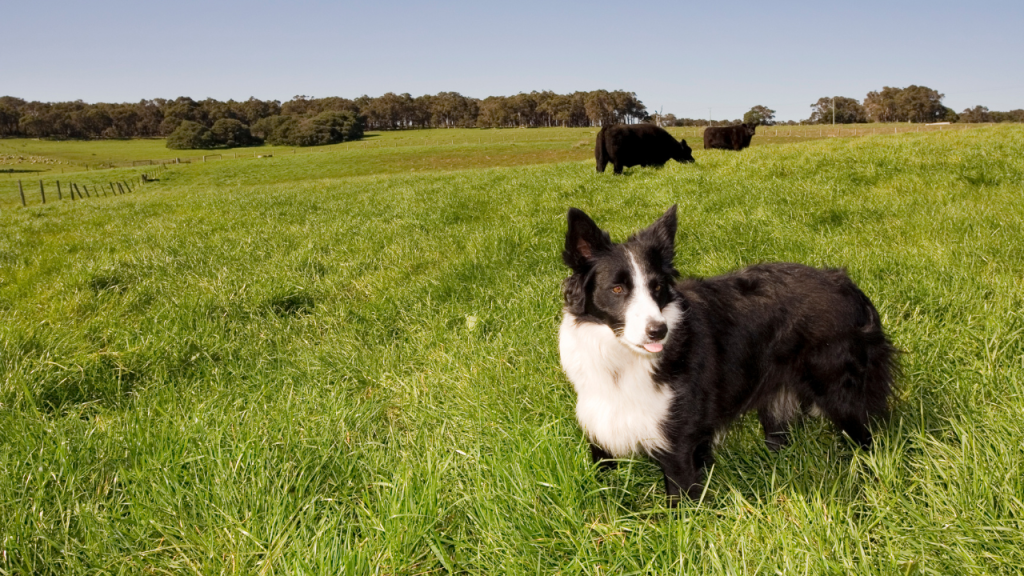
Australian summers place significant pressure on livestock, particularly during prolonged heatwaves, high humidity, and dry conditions. Heat stress can quickly impact animal welfare, productivity, and on-farm profitability if not managed carefully.
With the right preparation and daily management, producers can reduce risk and support livestock through even the toughest summer conditions.
Understanding Heat Stress in Australian Conditions
Heat stress occurs when livestock struggle to regulate their body temperature. In Australia, this risk is heightened by extreme daytime temperatures, warm nights, limited shade, and long distances between water points.
Livestock most at risk include:
- Cattle in feedlots or confined paddocks
- Sheep with heavy wool cover
- Young, older, or pregnant animals
- Livestock recently transported or yarded
Common signs of heat stress include:
- Heavy panting or open-mouth breathing
- Reduced feed intake and weight gain
- Lethargy and reluctance to move
- Crowding around water points or shade
- In severe cases, collapse or sudden death
Early identification is essential. Acting quickly can prevent long-term losses.
Water Management Is Critical in Summer
Access to clean, cool water is the most important factor in keeping livestock healthy during hot conditions. In summer, water consumption can increase by 50–100%, especially during heatwaves.
Key water management tips:
- Check troughs daily and clean regularly
- Ensure water flow rates meet peak demand
- Provide multiple water points to reduce competition
- Shade troughs where possible to keep water cooler
- Inspect pumps, pipes, and tanks for leaks or failures
Any interruption to water supply in extreme heat can lead to rapid livestock stress.
Providing Shade and Airflow
Shade allows livestock to reduce heat load and recover more efficiently. In Australian paddocks, shade can be the difference between maintaining condition and suffering losses.
Effective shade options include:
- Natural shade from trees and shelterbelts
- Permanent structures in yards or holding areas
- Portable shade systems for rotational grazing
Good airflow is equally important. Avoid over-stocking shaded areas and ensure animals can spread out comfortably.
Adjust Feeding and Daily Handling Practices
Hot weather affects appetite, digestion, and energy use. Simple changes to daily routines can significantly reduce stress.
Best practices include:
- Feeding early in the morning or late afternoon
- Avoiding yard work, transport, and mustering during peak heat
- Reducing time in confined yards or holding pens
- Closely monitoring high-risk animals
Where possible, delay non-essential handling until cooler conditions return.
Infrastructure and Equipment Readiness
Summer places extra strain on farm infrastructure and equipment. Failures during extreme heat can quickly become animal welfare issues.
Producers should:
- Inspect and maintain water pumps, generators, and trough systems
- Ensure backup power or water supply options are ready
- Check fencing to prevent livestock crowding unsafe areas
- Maintain equipment used for feeding, watering, and livestock movement
Reliable, well-maintained equipment is critical during high-stress periods.
Preparing for Heatwaves
Heatwaves often arrive with little warning and can last for days or weeks. Having a plan in place allows for faster, more effective action.
A heatwave plan may include:
- Identifying paddocks with the best water and shade access
- Prioritising vulnerable livestock
- Stockpiling essential spare parts and supplies
- Ensuring quick access to servicing and repairs
Preparation reduces stress on both livestock and operators when conditions worsen.
Supporting Livestock Through the Australian Summer
Managing livestock through summer is an ongoing challenge for Australian producers. By focusing on water access, shade, infrastructure reliability, and thoughtful daily management, the impact of heat stress can be significantly reduced.
At Murray Agricultural Equipment, we support farmers with dependable equipment, parts, and practical advice to help keep livestock safe and operations running smoothly year-round. If you need help preparing for summer conditions or maintaining critical equipment, our team is ready to assist.