
Hay and silage season can be one of the most demanding periods on the farm. When the crop is ready and the weather window opens, reliable machinery is essential.
A breakdown at the wrong time can mean lost hours, reduced feed quality and unnecessary pressure. Preparing your equipment before harvest—and keeping an eye on it throughout the season—can help you work more efficiently and minimise downtime.
Here are some practical equipment tips to help keep hay and silage operations running smoothly.
1. Get Your Equipment Ready Before the Season
Don’t wait until the first paddock is ready before checking your machinery.
Inspect tractors and hay or silage equipment well ahead of harvest. Look for worn, loose or damaged components and complete any servicing that’s due.
Key areas to inspect include:
- Bearings and bushes
- Belts and chains
- Hydraulic hoses and fittings
- PTO shafts and guards
- Gearboxes and driveline components
- Electrical connections
- Tyres and wheels
- Nuts, bolts and fasteners
- Safety guards and shields
Early preparation gives you time to organise parts and repairs without a crop waiting in the paddock.
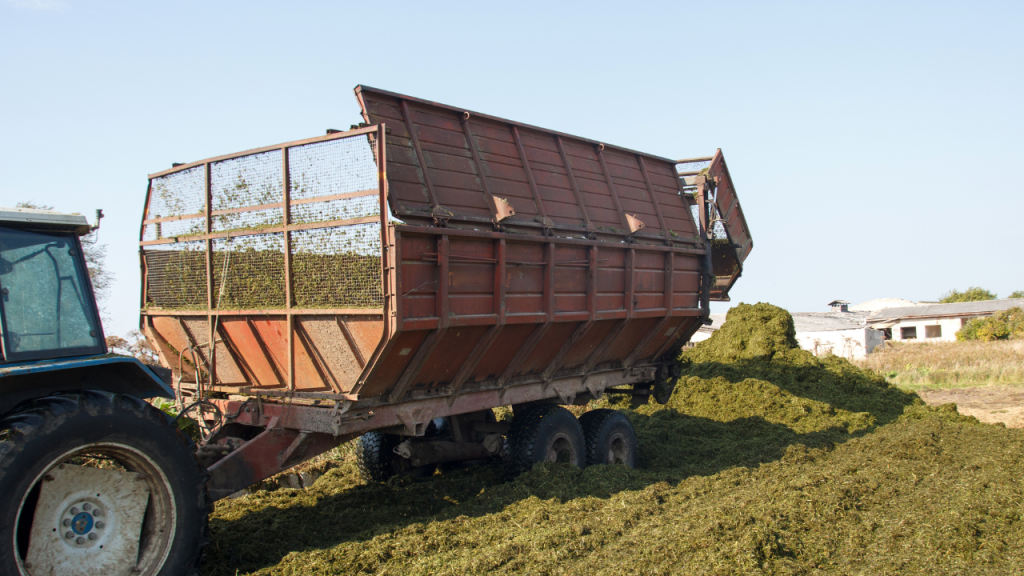
2. Pay Attention to Your Mower
A clean, consistent cut is the starting point for a successful harvest.
Check mower blades or discs for wear and damage and replace components when necessary. Inspect the cutter bar, bearings, belts and driveline, and make sure all guards are correctly installed.
Keeping cutting components in good condition can improve cutting performance and help your equipment move efficiently through the crop.
3. Check Rakes and Tedders
Rakes and tedders play an important role in getting material into the right condition for baling or harvesting.
Inspect tines for wear, bending or breakage and check rotor assemblies, wheels, bearings and adjustment mechanisms. Lubricate all recommended grease points and make sure the machine is correctly set up for your conditions.
Correct adjustment is important. Running too low can increase wear and introduce unnecessary soil or debris into the crop, while running too high may leave material behind.
4. Give the Baler a Thorough Inspection
Balers work hard during harvest, so pre-season maintenance is particularly important.
Depending on your machine, check:
- Pickup tines and bands
- Belts, rollers or chains
- Bearings and sprockets
- Knotters or wrapping systems
- Twine, net or film systems
- Hydraulic components
- Bale chamber components
- Lubrication systems
Run the baler before harvest and make sure its functions are operating correctly. It’s much better to identify a problem in the yard than halfway through a paddock.
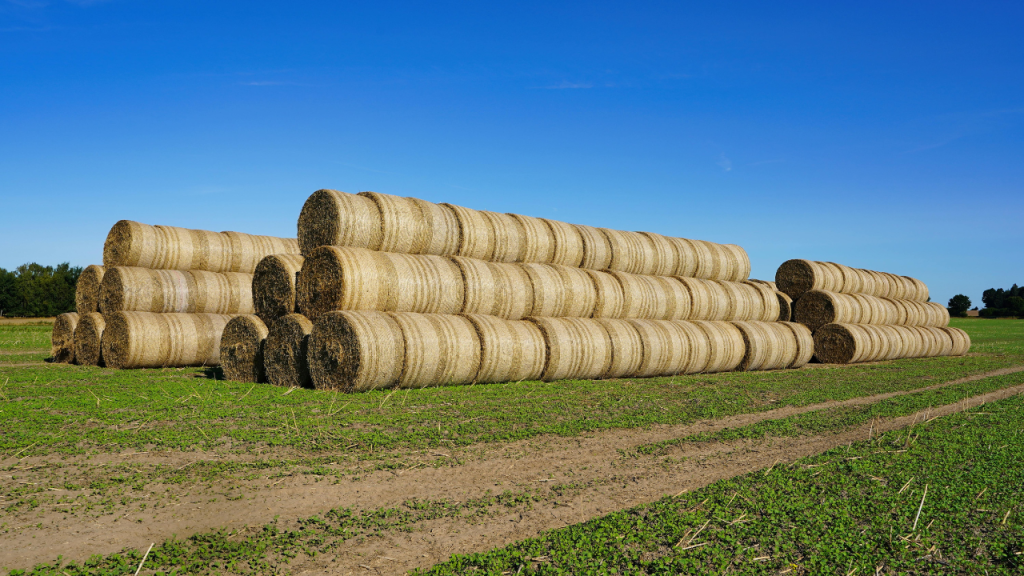
5. Inspect Silage Equipment
For silage operations, inspect harvesting and handling equipment before the crop is ready.
Check cutting and feeding components for wear, along with driveline parts, bearings, hydraulics and electrical systems. Make sure knives or other cutting components are maintained and adjusted according to the manufacturer’s specifications.
Also inspect equipment used after harvesting, including trailers and other material-handling machinery.
6. Don’t Forget the Tractor
Hay equipment gets plenty of attention, but the tractor powering it is just as important.
Before the season, check:
- Engine oil and coolant
- Hydraulic and transmission fluids
- Filters
- Tyres and pressures
- Battery and charging system
- Cooling system and radiator
- PTO operation
- Hydraulic connections
- Lights and electrical systems
Hay and silage work can involve long operating hours, so make sure the tractor is up to date with scheduled servicing before the workload increases.
7. Keep Radiators and Cooling Systems Clean
Dry grass, dust and crop material can quickly accumulate around radiators and cooling systems.
Check these areas regularly throughout the day and clean them according to the manufacturer’s recommendations. Keeping airflow unrestricted helps the machine’s cooling system perform as intended.
Crop residue can also create a fire risk around hot machinery components, making regular cleaning especially important during harvest.
8. Grease and Lubricate Regularly
Hay and silage equipment often contains numerous bearings, pivots, chains and other moving components.
Follow the manufacturer’s lubrication schedule and make greasing part of your daily harvest routine where required. While you’re working around the machine, look for loose fasteners, unusual wear, leaking seals or components beginning to fail.
A quick daily inspection can catch a small problem before it becomes a major breakdown.
9. Keep Essential Parts and Tools Handy
Some wear during a busy harvest is inevitable.
Having commonly required parts and basic tools available can reduce downtime when something needs attention. What you carry will depend on your machinery, but items such as replacement tines, blades, fasteners and other common wear components may be worth keeping on hand.
Review your equipment before the season and identify the components most likely to need replacement.
10. Make Safety Part of Every Job
Time pressure should never override safe machinery practices.
Make sure all guards and shields are fitted correctly and operators understand the equipment they’re using. Before clearing blockages, adjusting equipment or carrying out maintenance, stop and isolate machinery in accordance with the manufacturer’s instructions.
Never work around moving PTO shafts, belts, chains, rollers or other operating components.
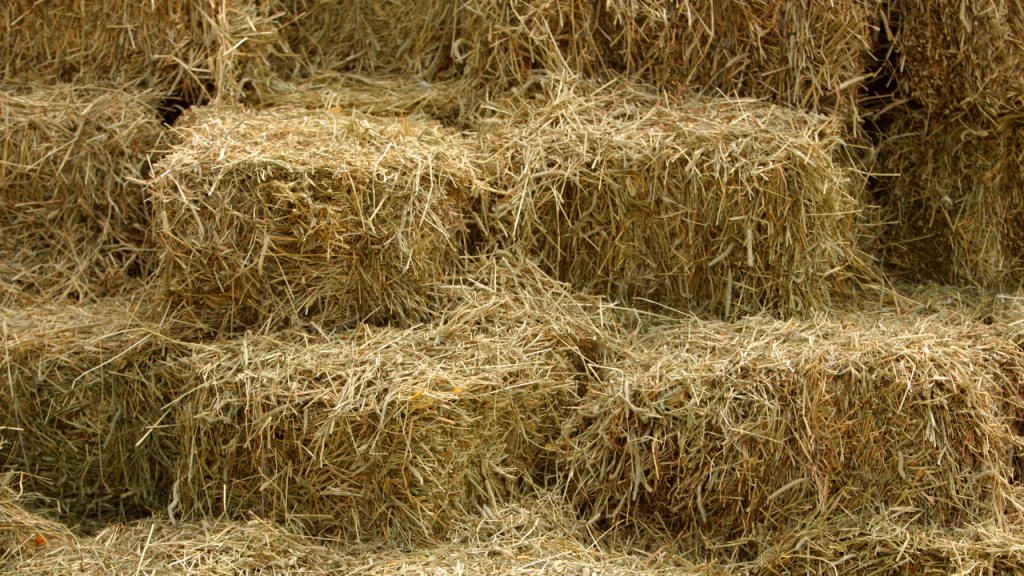
Make Every Harvest Window Count
Successful hay and silage production isn’t only about having the right weather. Your machinery needs to be ready to perform when conditions are right.
Pre-season servicing, correct setup and regular inspections throughout harvest can help reduce downtime and keep the job moving when every hour counts.
Murray Agricultural Equipment is here to help you prepare for hay and silage season with quality equipment, parts and service support. Contact the team to discuss what you need for the season ahead.
Always follow the equipment manufacturer’s operating, maintenance and safety instructions. Maintenance and adjustments should only be carried out when machinery is safely shut down and isolated.