Spring is one of the busiest times of year on the farm. As conditions improve and paddock work ramps up, the last thing you need is machinery downtime caused by a problem that could have been picked up before the season started.
A thorough pre-season inspection can help improve reliability, reduce unexpected repairs and make sure your equipment is ready when you need it. Before spring gets into full swing, here are some key areas worth checking.
1. Start With a Thorough Inspection
Machinery that has been sitting through winter should receive a complete visual inspection before returning to work.
Look over tractors, tillage equipment and other implements for signs of wear, corrosion, loose components or damage. Pay particular attention to:
- Hydraulic hoses and fittings
- Pins, bushes and pivot points
- Bearings
- Chains and drive components
- Guards and shields
- Electrical wiring and connections
- Welds and structural components
- Nuts, bolts and other fasteners
Finding a worn bearing or damaged hose in the workshop is much easier than dealing with it halfway through a job.

2. Check Fluids and Filters
Correct fluid levels and clean filters are essential for reliable machinery operation.
Check engine oil, coolant, hydraulic fluid, transmission oil and other service points recommended by the equipment manufacturer. Look for leaks around hoses, seals, fittings and reservoirs while you’re there.
If your machinery is due for scheduled servicing, getting it completed before spring work begins can help avoid losing valuable operating time later.
3. Inspect Tyres and Wheels
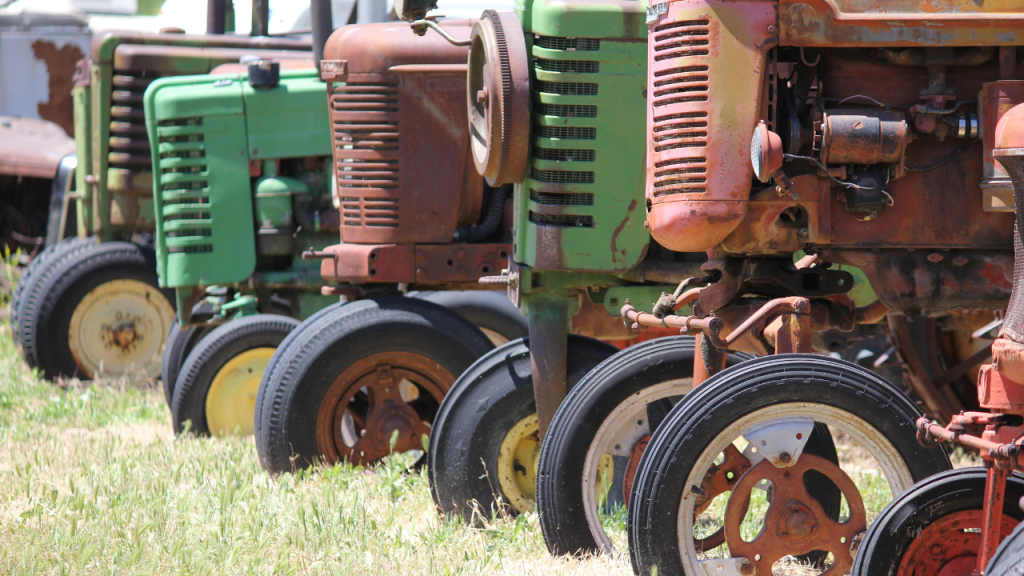
Tyres deserve particular attention after machinery has spent an extended period parked.
Check tyre pressures and inspect the tread and sidewalls for cracking, cuts, uneven wear or other damage. Wheel nuts should also be checked and tightened to the manufacturer’s specifications where required.
Correct tyre condition and pressure can contribute to better traction, safer operation and more efficient performance in the paddock.
4. Test the Battery and Electrical System
Cold weather and periods of inactivity can be hard on batteries.
Check battery terminals for corrosion and make sure connections are clean and secure. Test the battery’s condition and charging system, particularly if starting has become slower or less reliable.
It’s also a good opportunity to check headlights, work lights, indicators, warning lights and other electrical equipment.
5. Grease and Lubricate
Proper lubrication helps protect moving components from premature wear.
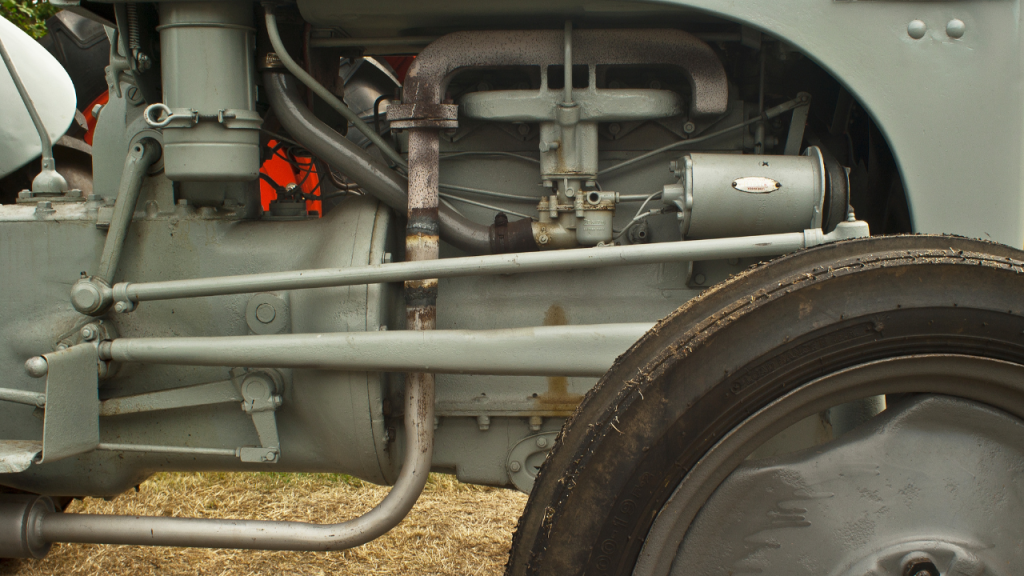
Work through the manufacturer’s recommended grease points on your machinery and implements. Check bearings, pivots, linkages, PTO components and other moving parts, removing old dirt and contamination where necessary before applying fresh lubricant.
Don’t forget equipment that may only be used seasonally. A few minutes spent lubricating an implement before its first job can make a significant difference to its service life.
6. Give Your Implements Some Attention
Your tractor might be ready for spring, but the equipment behind it needs to be ready too.
Inspect cultivation and tillage equipment for worn or damaged ground-engaging components. Check frames, tines, discs, points, chains, bearings and adjustment mechanisms.
Replace excessively worn components before heading into the paddock. Correctly maintained implements generally perform more consistently and can help you avoid unnecessary interruptions once work begins.
7. Check Safety Equipment
Pre-season maintenance isn’t only about reliability.
Make sure guards and shields are correctly fitted and in good condition. Check steps, handrails, mirrors, lights and other safety-related components. PTO guards and other protective equipment should never be operated damaged or missing.
Always follow the manufacturer’s operating and maintenance instructions, and isolate machinery appropriately before carrying out inspection or maintenance work.
8. Run and Test Equipment Before You Need It
Don’t wait until the morning of an important job to discover something isn’t working.
Start machinery and allow it to reach normal operating conditions. Listen for unusual noises and check for leaks, warning lights or abnormal operation.
Where appropriate, connect implements and test hydraulic functions, PTO operation, controls and adjustments. A short test run can reveal problems while there’s still time to fix them.
A Little Preparation Can Prevent a Lot of Downtime
Spring puts machinery under pressure, and small maintenance issues can quickly become expensive problems during peak periods.
Working through your equipment before the season starts gives you an opportunity to identify worn parts, complete servicing and make repairs without the pressure of a paddock waiting to be worked.

If your machinery or implements need attention before spring, Murray Agricultural Equipment can help you get prepared for the season ahead.
Get your equipment spring-ready before the busy season begins. Contact the Murray Agricultural Equipment team to discuss your machinery, parts and servicing requirements.
Always refer to the equipment manufacturer’s service schedules, specifications and safety instructions when inspecting, maintaining or operating farm machinery.